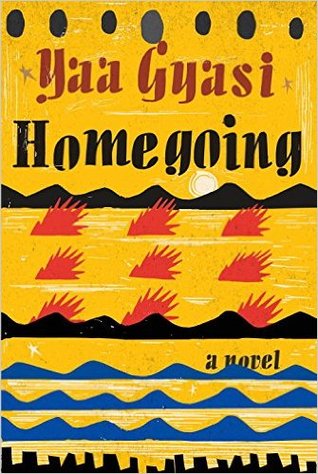
The first thing you see when you open Yaa Gyasi’s Homegoing is six pages of quotes from reviews saying how good it is. If you’re like me (and with any luck you’re not), you’ll think: talk about putting yourself under pressure.
Happily, Gyasi more than rises to the implicit challenge set by her voluminous praise. The scope of her book - following two branches of an African family tree as they become separated by time and distance – is beautifully realised, with each chapter representing another generational step down.
Homegoing is, in its clearest sense, about the reverberating impact of slavery on black people, both in the lands they were ripped from and the lands they were taken to. But the core theme that ties the book together is connection between those two strands of people. The title could be considered a reference to ‘returning’ to Africa, but I think it’s more powerful when considered as more abstract – the re-binding of the strands of people who have been separated by force. It's not 'homecoming', but 'homegoing', which requires a journey of everyone.
One aspect that, as a wordy, nerdy word nerd, I really appreciated, was the way that Gyasi showed the changing language of each new generation as they picked up new influences and developed their own inflections on the previous generations’ cultures. There’s a real focus in the book on the fact that African and African-American history isn’t written down or learned in school, but passed down as an oral history, and the gradually-shifting language is a carefully-observed and lovely way to reflect that.
The other thing that comes across really strongly is the way that history is cumulative. Injuries done to past generations are passed on, not physically, but through stories, parental behaviours, shared phobias. It shows the true depth of racial division, held on a shared emotional level as much as anything that’s easily demonstrable in day-to-day life. It does the same for gender, showing how no matter what victories black people on either side of the ocean have been able to win, somehow the black woman has always ended up winning less one way or another. And when (as is more common) black people lose out, the black woman loses out even more.
Overall, this is a powerful, deeply sad, anger-stoking and often uncomfortable book that really cuts to the heart of the ongoing damage done by black slavery, with an impressively wide emotional range.
--
This is my seventh book review of 100 to raise money for Refuge, the domestic abuse charity. If you liked this review, or just want to help out, please donate on the link below!

Comments
Post a Comment